Illustration: Westside Observer
Californians in the Slow Boil
Rising costs for housing, insurance, fuel, utilities, healthcare and taxes are squeezing residents one increase at a time.

• • • • • • May 2026 • • • • • •
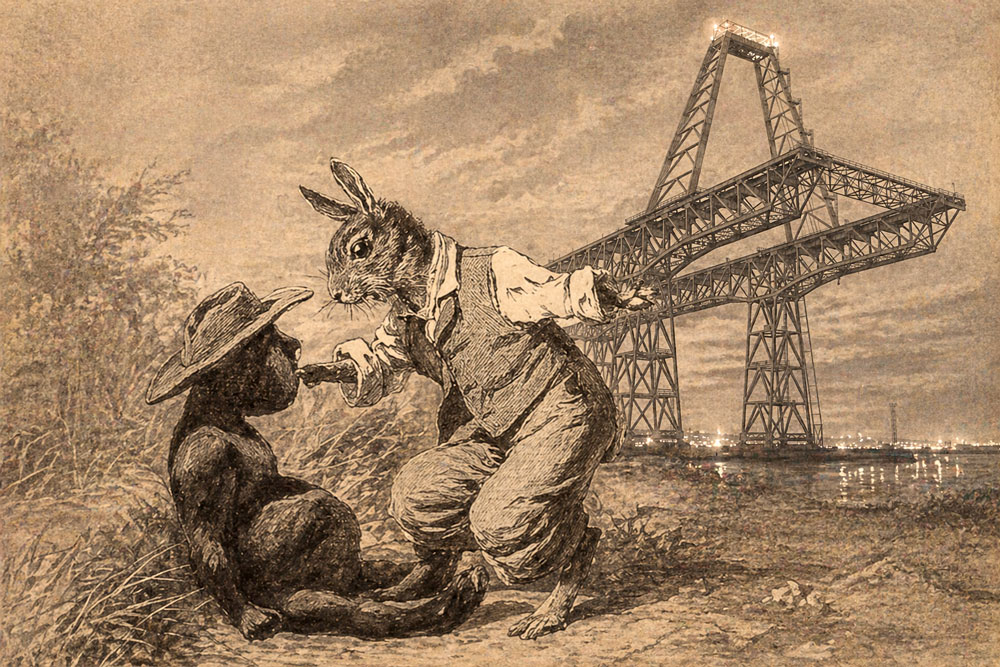
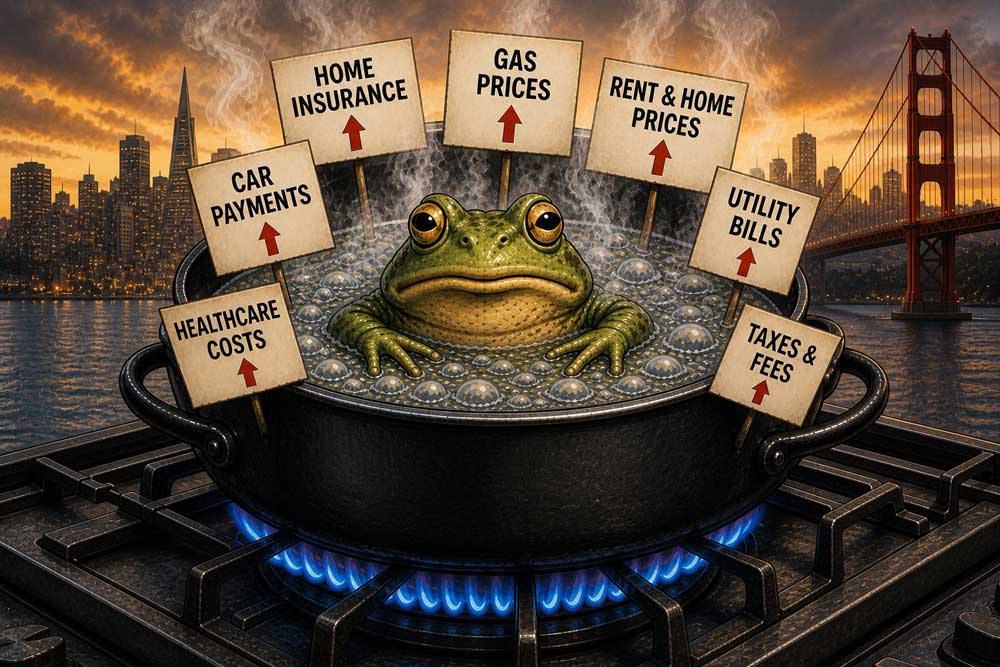
The “boiling frog” fable is a metaphor warning against complacency. It suggests that if a frog is placed in tepid water that is slowly heated, it will fail to recognize the danger and die—unlike if it were dropped into boiling water and immediately jumped out.
The story illustrates how people often ignore, adapt to, or fail to respond to gradual, harmful changes in life, relationships, taxes or business—leading to disastrous but avoidable consequences. Voters often accept “creeping” decline because the change is gradual, rather than reacting to abrupt shifts such as reduced government services, higher taxes, rising costs of living and declining quality of life. Like the frog, San Franciscans are complacently sitting in a hot tub where the temperature keeps rising. California home insurance rates have risen sharply from 2022 to 2026, with a projected 16% increase in 2026 alone and a cumulative rise exceeding 30% since 2023. Major insurers continue raising rates, and a 17% increase by State Farm has been upheld, driven by wildfire risks, market instability and inflation. Many residents are being pushed onto the state-run FAIR Plan, which often provides higher premiums for reduced coverage as insurers restrict new policies. Californians are losing their homes or being forced to sell due to skyrocketing premiums and policy cancellations. As insurers exit the market or raise rates, many homeowners—especially low-income residents and seniors—cannot afford coverage. Some residents now must choose between paying insurance premiums or their mortgage. Without insurance, lenders will not issue or maintain mortgages. San Franciscans aren’t fleeing the city—they’re being priced out of it, slowly and systematically.” Vehicle prices have risen approximately 30% to 33% between early 2020 and early 2026, with the average transaction price increasing from under $38,000 to roughly $49,000–$50,000. The average monthly payment for a new car is now about $775, pushing more buyers into longer-term loans of seven years or more and increasing total interest costs. Consumers have shifted heavily toward larger, more expensive vehicles like trucks and SUVs, while affordable models under $30,000 have shrunk from about 40% of the market to roughly 13%. As of April 30, 2026, California’s average gasoline price exceeds $6 per gallon—up from roughly $3.50–$4.00 in early 2020, an increase of about 50% to 70%. Analysts cite the state’s cap-and-invest program, low-carbon fuel standards and global instability affecting oil supply as key drivers. California gas prices have consistently remained more than $1 above the national average. Covered California premiums are rising by an average of 10.3% in 2026—the largest increase since 2018. With the expiration of enhanced federal subsidies, 1.7 million enrollees could face average net premium increases of up to 97%. Many middle-income households will lose tax credits, potentially increasing premiums by 10% to 20% or more. San Francisco’s budget has grown by approximately 22% from 2020 to 2026, reaching about $15.9 billion for fiscal year 2025–2026. Despite this growth, the city faces a $1.1 billion deficit. Payroll costs have risen steadily, reaching nearly $4.5 billion. Many employee benefits are “unfunded mandates”—future obligations without adequate funding. Rising costs have not been matched by revenue growth, which has slowed due to declining downtown activity and population loss. We are not being shocked by crisis—we are being conditioned by it, one bill, one tax, one increase at a time.” Residential electricity rates have increased nearly 70% since 2020. Combined gas and electric bills have risen from about $179 to nearly $300 by April 2026. Costs have been driven by wildfire mitigation, infrastructure upgrades and rising operating expenses. San Francisco water and wastewater rates continue to climb. The average combined monthly bill for single-family households was about $171, with projected increases to approximately $189 by July 1, 2026, and $212 by July 1, 2027. A proposed 2026 increase includes water rates rising about 7% and sewer rates rising about 14.5%, creating an average combined bill increase of roughly 12.5%. Garbage collection rates are rising significantly. A 12.24% increase was approved for October 1, 2025, followed by another 7.15% increase scheduled for October 1, 2026. Increases are attributed to inflation, operating costs and a shrinking customer base. As of May 2026, the average monthly rent for an apartment in San Francisco is approximately $3,344 to $3,900. One-bedroom apartments average around $3,344–$3,591, while two-bedroom units average $4,593–$4,744 per month. Studio rents average about $2,177 to $2,648. Rent has increased significantly, up to 14.5% year-over-year in some reports. As of early 2026, the median price for a single-family home in San Francisco has reached approximately $2.15 million, fueled by an AI-driven economic boom. Prices are up roughly 19% year-over-year as of March 2026. About 59% of homes are selling above asking, with average market stays of only 13 to 14 days. Like the frog in the pot, we don’t jump—because the heat rises just slowly enough to feel normal.” San Francisco is also considering new taxes to address transit deficits. A proposed regional measure would add a 1% sales tax in San Francisco. Because it is a sales tax, the cost to residents would depend on how much taxable goods they purchase. A 1% increase means that for every $100 spent on taxable goods, the tax would add $1 in cost. If approved, it would bring San Francisco’s total sales tax rate above 9.5%. The tax would be in place for 14 years. In reality, taxes like this rarely disappear. Separate from the regional sales tax, a local San Francisco parcel tax is also being considered to fund Muni. Reports suggest it could cost homeowners at least $129 annually. San Francisco voters are already paying about $790 annually in parcel taxes, and the new parcel tax rate could rise to $819 per year. Why do we still live in San Francisco? Because we love the city enough to tolerate ineffective leadership and the influence of wealthy interests shaping policy decisions. We remain despite rising costs, declining services and the growing disconnect between elected officials and the people they supposedly represent. We are the frogs in San Francisco’s boiling water—and we keep choosing to stay.The danger of the slow-moving threat
Home insurance

Cars
Fuel costs
Healthcare
San Francisco’s budget
PG&E rates
Water and sewer
Garbage collection
Apartments
Homes
Taxes
Why stay?
George Wooding, Neighborhood Activist Emeritus
May 2026