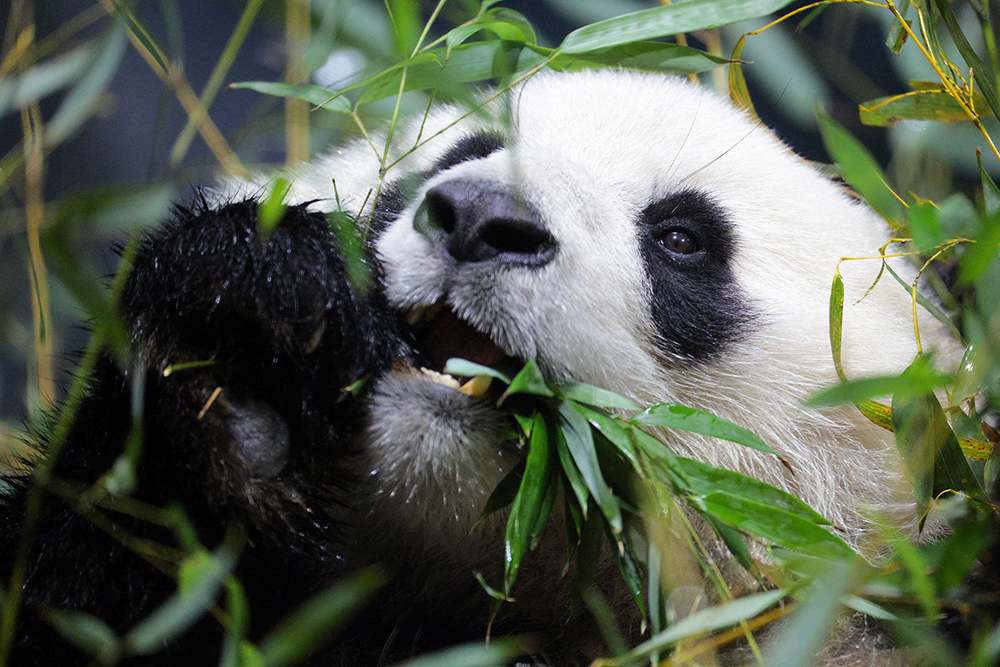
San Francisco’s long-anticipated plan to bring giant pandas to the San Francisco Zoo appears to be collapsing — and with it, a broader crisis surrounding the Zoo’s finances, infrastructure, and leadership is coming into sharper focus.
According to local animal welfare groups, including SF Zoo Watch, In Defense of Animals, and Panda Voices, the widely publicized panda agreement is no longer moving forward — despite official statements suggesting otherwise.

From our well-placed sources, [Zoo administrators] are communicating to their internal team that the Panda Plan is not moving forward,” said Justin Barker, founder of SF Zoo Watch.”
The panda initiative — originally part of a high-profile “panda diplomacy” effort negotiated during the administration of former Mayor London Breed — would have brought two giant pandas to San Francisco under a 10-year international loan agreement.
But critics say the plan collapsed under the weight of the Zoo’s existing problems.
Panda Plan “Not Moving Forward,” Critics Say
Barker and other advocates argue the Zoo is in no position to take on one of the most expensive and demanding animal programs in the world.
“Zoos end up spending millions of dollars a year to rent pandas,” Barker said. “It starts adding up in a pretty extreme way … is it the right move to be investing $20 million on retrofitting a lion cage if you can’t maintain your zoo?”
A city-backed audit reached a similar conclusion, warning that the Zoo’s deteriorating infrastructure, staffing shortages, and financial instability made importing pandas untenable.
“We think the San Francisco Zoo is in a poor position to host giant pandas,” the report stated.
The findings followed a 2024 investigation by the San Francisco Chronicle that exposed widespread operational and animal welfare concerns.
Zoo officials dispute claims that the panda plan has been canceled.
“We do not know how or why this animal rights group made this claim,” said Zoo spokesperson Nancy Chan, adding that the panda opportunity remains an “active opportunity.” That&rsauo;s far more non-committal and less certain than saying the plan is still active. It&rsauo;s an important distinction, especially since she refused to give a yes or no answer (or even a definitive one) to the question of the plan going forward.
Nancy Chan specifically said that the Panda Plan is still an "active opportunity",However, she acknowledged that the exhibit — once expected to open soon — is not ready.
A Zoo Under Scrutiny
The panda controversy is only the latest chapter in a string of troubling incidents and management failures at the Zoo.
Over the past two decades, a series of high-profile safety lapses and animal deaths have raised persistent concerns:
- A Siberian tiger escaped in 2007, killing a visitor.
- A baby gorilla was crushed by a malfunctioning door in 2014.
- Multiple animal thefts, including endangered species, shook public confidence.
- Repeated enclosure failures led to additional animal deaths.
- A zookeeper narrowly escaped a bear attack in 2023.
- A bird died in 2024 after reported unsanitary conditions in the birdhouse.
These incidents, combined with aging facilities and staffing challenges, have fueled calls for systemic reform.
Leadership turmoil has compounded the crisis.
Former Zoo Director Tanya Petersen resigned in August 2025 amid controversy, including allegations of nepotism and financial transparency issues that prompted threats from city officials to withhold funding.
An interim CEO, Cassandra Costello, is now leading the organization while a search for permanent leadership continues.
Financial Reality vs. Political Ambition
At the center of the debate is a fundamental question: should the Zoo pursue expensive, high-profile attractions — or focus on fixing its core operations?
The panda program alone would have required millions annually in fees and infrastructure investment.
Meanwhile, estimates suggest a full transformation of the Zoo into a modern “EcoPark” could cost as much as $350 million, while basic repairs to existing facilities might cost closer to $8 million.
Critics argue that prioritizing pandas over infrastructure reflects misplaced priorities.
Supporters of reform say the Zoo should instead shift toward a model focused on conservation, rehabilitation, and local ecosystems — a trend seen in modern zoological institutions worldwide.
A Turning Point: From Zoo to “EcoPark”?
The crisis has sparked renewed discussion about the Zoo’s long-term future.
Some advocates envision transforming the 100-acre site into an “EcoPark” — emphasizing native species, habitat restoration, and education rather than traditional animal exhibits.
Such a shift could align with broader changes in public attitudes toward animal welfare and conservation.
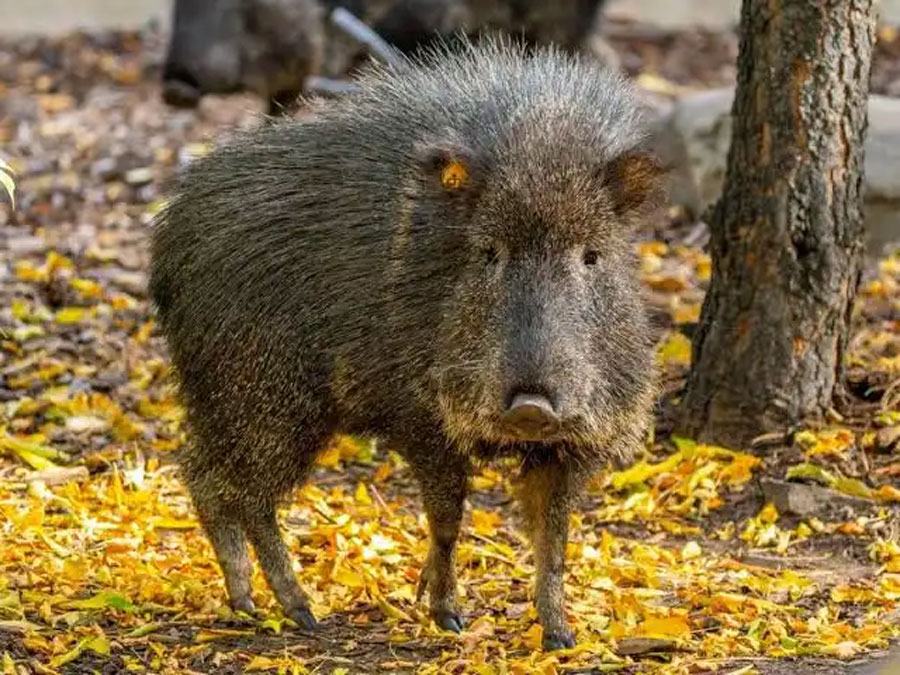
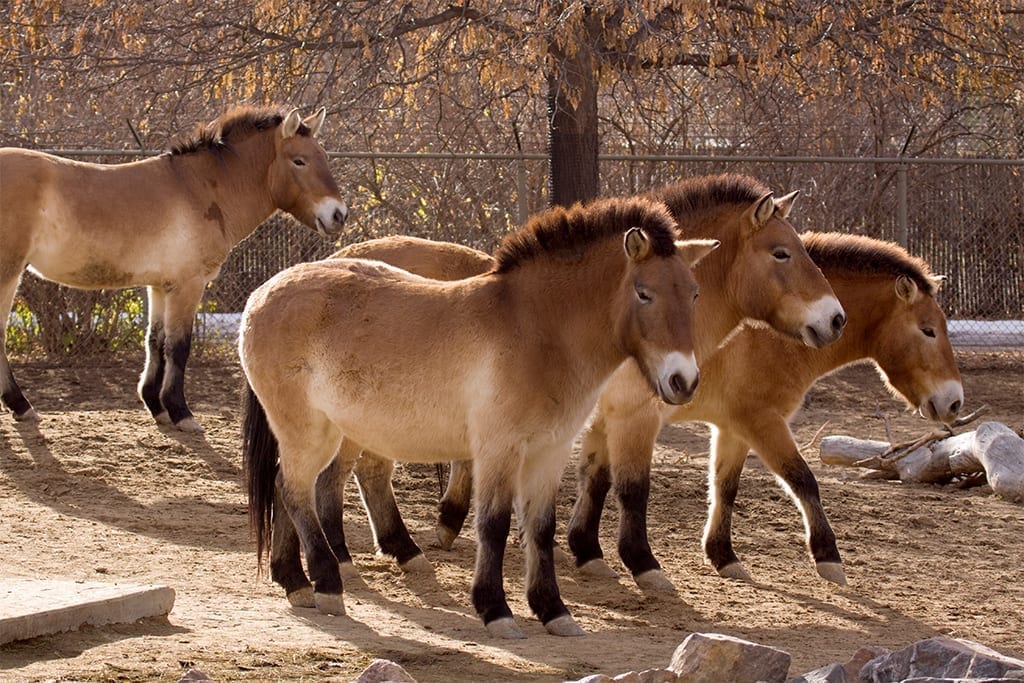
At the same time, the Zoo continues to house rare and endangered species, including Przewalski’s horses — a genetically distinct wild species once extinct in the wild — and Chacoan peccaries, often described as “living fossils.”
Despite ongoing controversy, some visitors and observers still see value in the Zoo experience. There are still worthwhile animals to see, and the institution retains educational and recreational value for families.
Visitor guide map: https://www.sfzoo.org/wp-content/uploads/2022/08/VisitorGuide-08-2022-3.pdf
What Comes Next
With the panda plan in doubt, leadership in transition, and mounting public scrutiny, the San Francisco Zoo faces a defining moment.
City officials must now decide whether to invest in major upgrades, pursue a new conservation-focused model, or attempt to stabilize the existing system.
For critics, the lesson is clear: without addressing fundamental issues — infrastructure, staffing, and animal care — high-profile initiatives like the panda program are not just unrealistic, but potentially irresponsible.
For Zoo leadership, the challenge is equally stark: restore public trust or risk losing relevance altogether.