Editor’s Note: Opinions expressed by contributors to the Westside Observer are the author’s point of view. They do not reflect the position of WSO. As always, we welcome opposing commentary submissions.
Opinion
Prop. A or City Hall Slush Fund?
Why San Francisco Voters Should Reject the “Emergency Safety” Bond

The $535 million earthquake bond — sold as emergency preparedness is loaded with vague promises, hidden transit spending, and too little accountability.
• • • • • • April 2026 • • • • • •
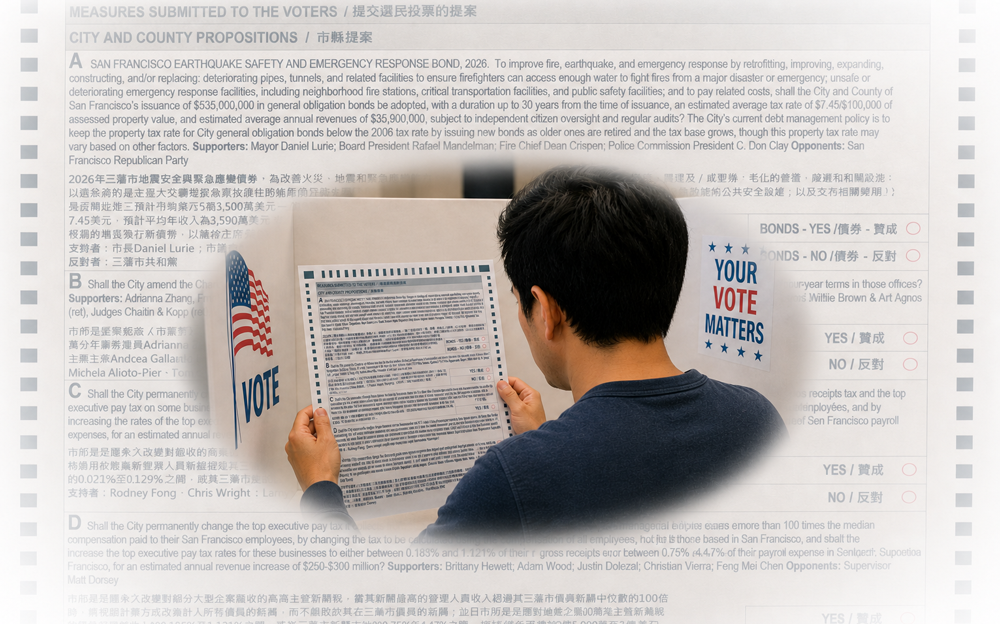
The Earthquake Safety and Emergency Response bond — Proposition A — is being marketed as a $535 million investment in public safety. But voters should ask a basic question before approving any new city debt: Exactly where is the money going?
Too much of the answer remains vague.
A bond worthy of public trust should clearly identify both its funding sources and the capital projects it will finance. Proposition A does not meet that standard. Instead, it asks San Franciscans to sign off on broad spending categories, incomplete project lists, and major long-term commitments that remain undefined.
Supporters point to the bond’s emergency preparedness label. But the text and surrounding capital plans tell a more troubling story: a measure that mixes legitimate public-safety work with loosely defined spending and a large transit component that does not belong in an earthquake bond.
A Bond With Too Few Specifics
San Franciscans should not be fooled by the “Earthquake Safety and Emergency Response” branding. Proposition A promises safety, but much of its spending lacks the specificity voters deserve.
The bond includes $130 million for expansion of the Westside Emergency Firefighting Water System, even though the city has already directed substantial bond money toward high-pressure firefighting infrastructure on the Westside since 2010. Meanwhile, projected costs have continued to climb.
The problem extends far beyond that project.
For every promise made in campaign language, the bond’s own structure leaves room for City Hall to decide later what actually gets built. Large sums are assigned to broad categories such as neighborhood fire stations, police stations, and “high-need public safety building repairs,” but final project scopes remain unsettled.
That is not how transparent public financing should work.
The city’s long-range capital planning documents also make clear that many debt figures are only estimates and may later be adjusted. In other words, voters are being asked to approve the borrowing first and trust the details later.
Why Is Muni’s Potrero Yard in an Earthquake Bond?
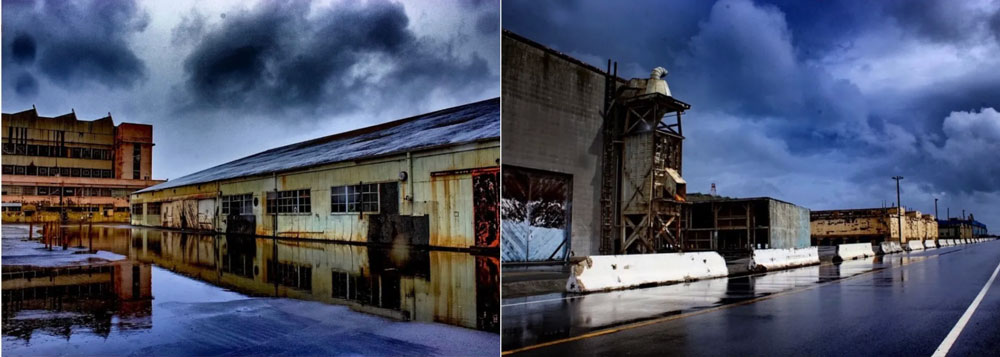
The clearest example of mission drift is the Potrero Bus Storage and Maintenance Yard.
Why is a major Muni facility project embedded in an earthquake bond?
If Proposition A passes, a large share of the bond would go to the San Francisco Municipal Transportation Agency. Critics argue that this has little to do with emergency response and much more to do with rescuing a financially strained transit agency through a politically attractive ballot label.
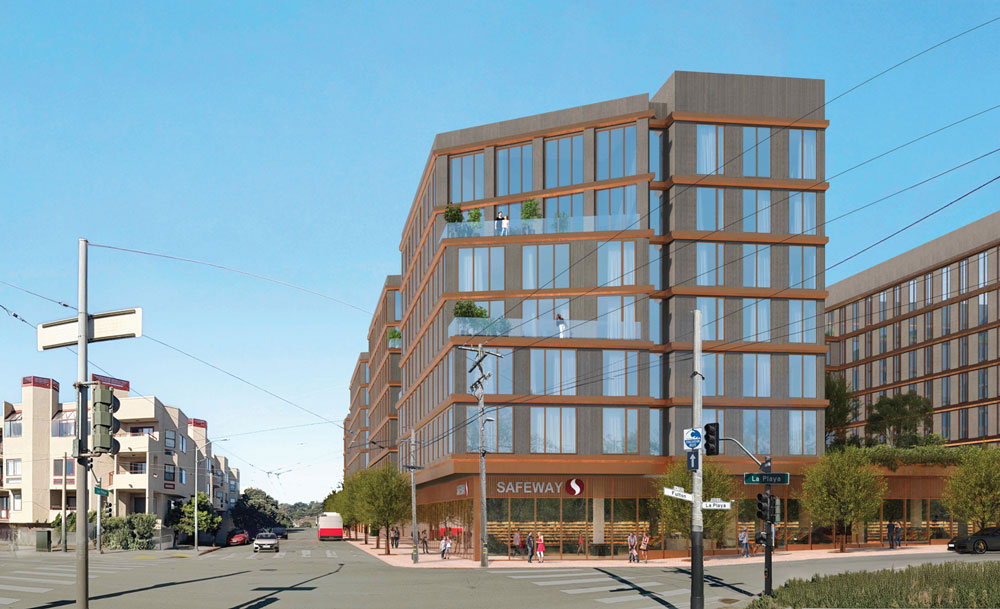
Potrero Yard has long been controversial. It is not simply a repair project; it has been discussed as a broader redevelopment effort involving transit infrastructure, housing, and commercial components. That raises an obvious question: Is this an emergency preparedness measure, or another example of City Hall using a crisis label to advance a larger political agenda?
The financial exposure is enormous. Even if this bond passes, much of the total project cost would still remain unfunded, meaning future taxpayers could be asked to cover the rest.

...the cost of Prop A would ultimately land on homeowners and renters alike. The ordinance also allows a portion of resulting property-tax increases to be passed through to residential tenants.”
A Familiar Pattern of Cost Overruns
San Franciscans have seen this movie before.
The SFMTA has a poor track record when it comes to forecasting costs and ridership. Critics point to the Central Subway as a cautionary tale: a delayed project that opened years behind schedule and far over its original budget, while carrying far fewer riders than once projected.
That history matters. When City Hall asks voters to trust another large capital commitment wrapped in broad promises, skepticism is not cynicism — it is common sense.
The same concerns apply to Potrero Yard. The city has shifted descriptions of the project over time, and reductions in associated housing plans have only deepened doubts about whether the proposal is financially coherent. Voters are entitled to ask whether they are funding public safety, transit maintenance, housing policy, or all three at once.
Who Pays When City Hall Gets It Wrong?
The answer, as always, is the public.
According to city estimates cited by opponents, the cost of Proposition A would ultimately land on homeowners and renters alike. The ordinance also allows a portion of resulting property-tax increases to be passed through to residential tenants.
That means this is not abstract borrowing. It is a real financial obligation with real consequences for San Franciscans already burdened by housing costs, local taxes, and rising utility bills.
And Proposition A does not exist in a vacuum.
The SFMTA already receives substantial public support, including general-fund assistance and other transportation revenue. Additional local and regional tax measures may also be headed to future ballots. Critics warn that voters are being asked to approve one more major funding stream without a full accounting of how all the pieces fit together.
If This Is Emergency Spending, Why Hide It in a Special Election?
That question may be the most politically damaging of all.
Opponents argue that if Proposition A is truly essential, it should appear on the regular November ballot, where turnout is broader and scrutiny is higher. Instead, placing it in a special election invites suspicion that City Hall is counting on lower turnout and emotional messaging about fire and earthquake safety to carry the measure across the finish line.
That is not good government. It is tactical ballot design.
Voters rejected a major Potrero Yard bond before. Now they are being asked to approve similar spending after it has been folded into an emergency package with more popular public-safety elements attached.
Voters Can Demand a Better Bond
San Franciscans do not have to reject earthquake preparedness to reject Proposition A.
The city can come back with a better measure — one that removes Potrero Yard, identifies specific capital projects, narrows the spending to genuine emergency infrastructure, and provides meaningful fiscal accountability.
That would be a bond voters could evaluate honestly.
Until then, Proposition A looks less like a public-safety measure and more like a slush fund wrapped in the language of emergency response.
Vote no on Proposition A. Then demand a real earthquake bond — one rooted in transparency, discipline, and respect for the taxpayers who will be forced to pay for it.
George Wooding, Neighborhood Activist Emeritus
April 2026