Courtroom Showdown Over Toxic Legacy at Hunters Point Shipyard
Environmental justice advocates challenge Navy cleanup as judge weighs accountability

• • • • • • • • March 2026 • • • • • • • •
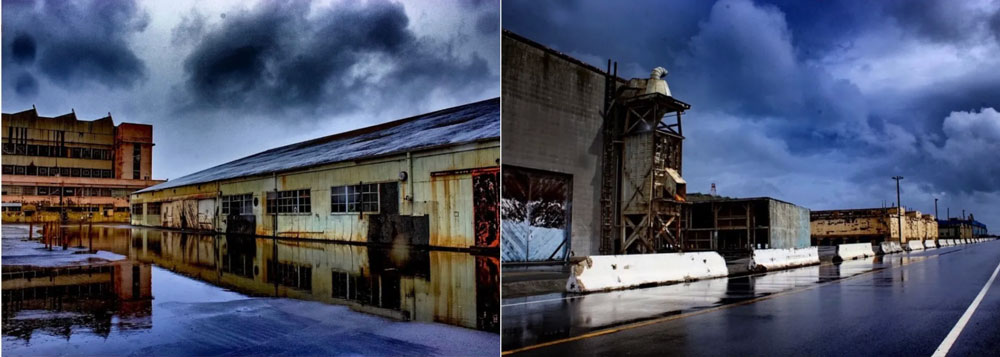
The decades-long battle over contamination at the Hunters Point Naval Shipyard took center stage in federal court as environmental justice advocates pressed their case that the U.S. Navy has failed to adequately clean up one of the nation’s most notorious toxic sites.
A Long Fight for Truth
At a February 26 hearing in the U.S. District Court for the Northern District of California, attorneys for the advocacy group Greenaction for Health and Environmental Justice argued that the Navy’s remediation of the Hunters Point Superfund site has fallen far short of protecting public health.
Attorney Steven J. Castleman, representing Greenaction, urged District Judge Vince Chhabria to grant a Motion for Summary Judgment—a legal request asking the court to decide the case without a trial because the evidence overwhelmingly supports one side.
Communities Demand Accountability
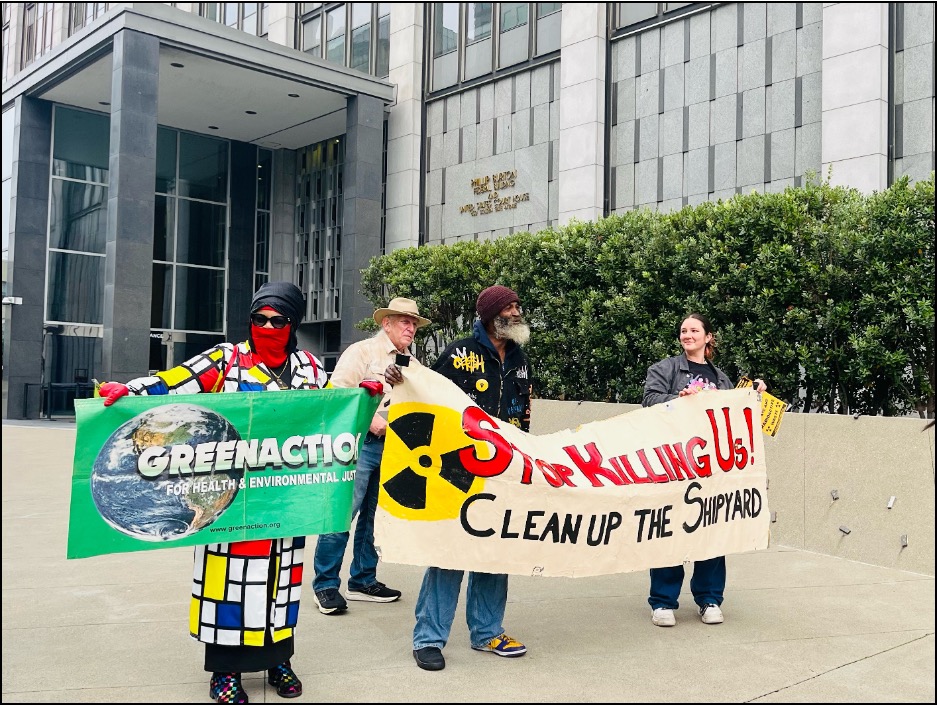
Outside the courthouse, community advocates gathered in solidarity with residents of Bayview–Hunters Point, a historically Black neighborhood that has long carried the burden of the shipyard’s toxic legacy.
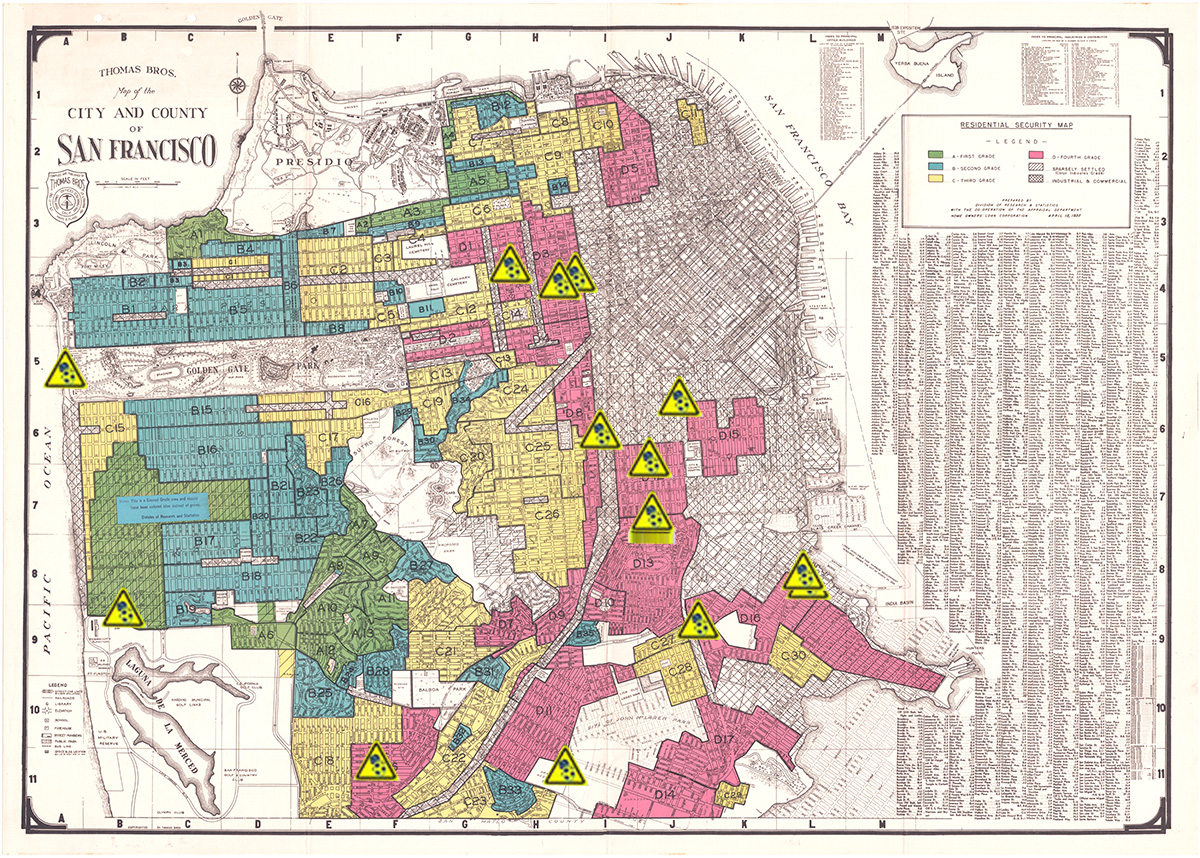
Advocates say the fight is about far more than legal technicalities. It is about justice for residents who have lived for decades near contaminated soil, radioactive materials, and industrial waste left behind from the Navy’s operations during and after World War II.
Activists including Shirletha Holmes-Box, a policy advocate with Greenaction, and Leaotus Martin of Hunters Point Mothers & Fathers, say the community has waited too long for transparency and protection.
“Environmental justice sometimes feels like light from a distant galaxy,” one advocate remarked. “It takes a long time to reach us, but eventually it must arrive.”

Whether the court sides with Greenaction or the Navy, the outcome could shape the future of one of San Francisco’s most controversial redevelopment sites—and determine whether long-promised environmental justice finally arrives.”
A Troubled Cleanup History
The Hunters Point Naval Shipyard was designated a federal Superfund site due to widespread contamination. The cleanup effort has been plagued by controversy, including allegations of falsified radiation testing by contractors and years of regulatory disputes.
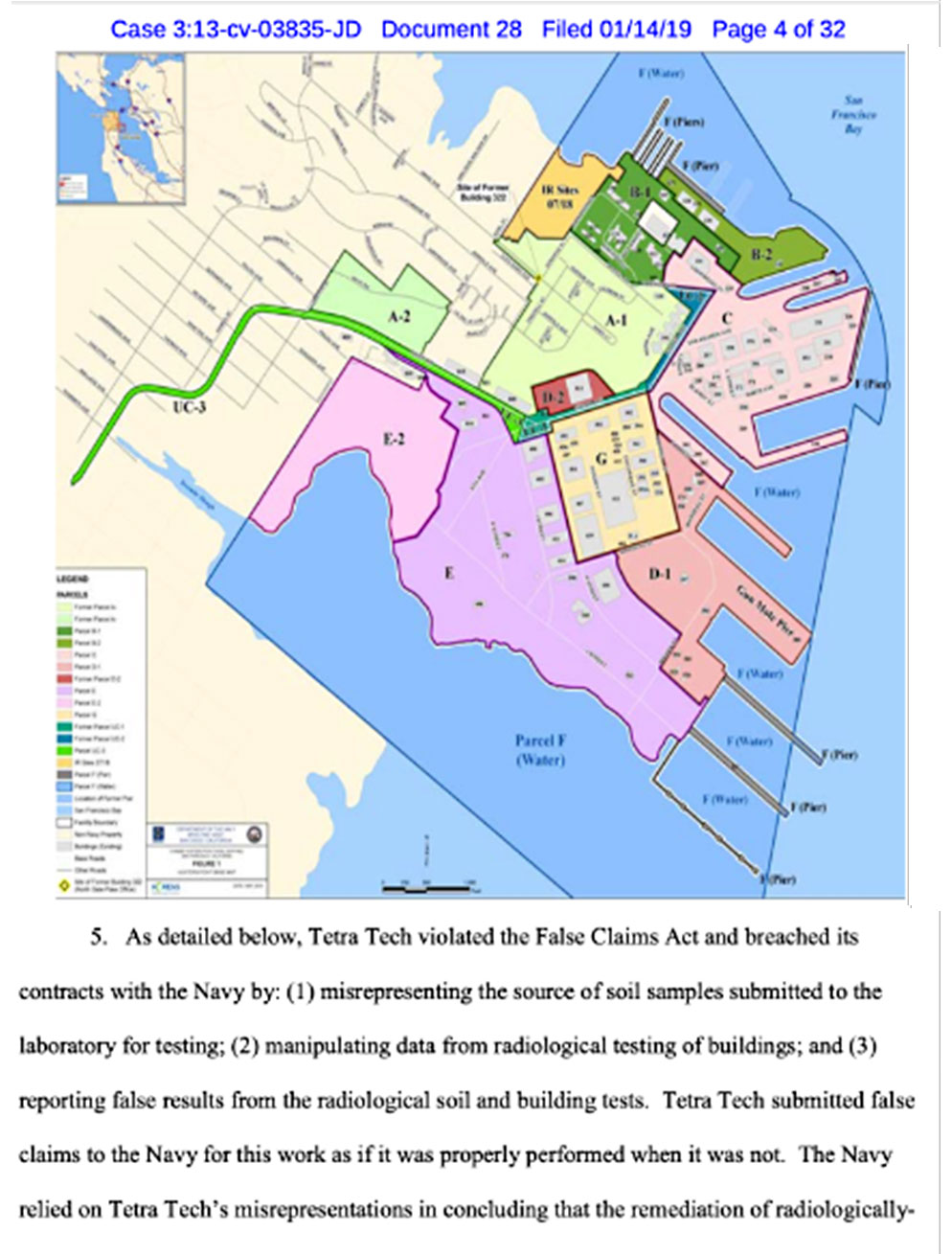
Castleman argued that the Navy’s own reports reveal the cleanup is still incomplete and potentially unsafe. The lawsuit challenges conclusions in the Navy’s 2023 Fifth Five-Year Review, which claims certain shipyard parcels “will be protective” of human health once remediation is completed.
Greenaction disputes that claim, arguing the evidence shows several areas remain unsafe.
The group’s lawsuit was filed in June 2024, asserting that federal law requires the Navy to conduct timely five-year reviews and demonstrate that cleanup measures truly protect residents and the environment.
Judge Questions Both Sides
During the hearing, Judge Chhabria reportedly expressed frustration with arguments from both sides but acknowledged the legal requirement for the Navy to complete periodic reviews of the cleanup effort.
Attorneys for the federal government asked the court to dismiss the case entirely. Department of Justice lawyer David Mitchell, representing the Navy, told the court that soil testing at the shipyard is not expected to be completed until 2032.
That timeline drew concern from advocates who say residents have already waited generations for a safe and thorough cleanup.
The Stakes for Bayview–Hunters Point
For the Bayview–Hunters Point community, the case represents a pivotal moment in the long struggle for environmental justice.
Residents and activists argue that without aggressive oversight and accountability, the toxic legacy of the shipyard could continue to threaten public health for decades.
Whether the court sides with Greenaction or the Navy, the outcome could shape the future of one of San Francisco’s most controversial redevelopment sites—and determine whether long-promised environmental justice finally arrives.
Dr. Ahimsa Porter Sumchai is an environmental activist and Community Healer/UCSF Alumni living on the Westside.
March 2026